Start With What You Already Have
The most effective grassroots campaigns I’ve seen started not with grand visions or slick websites, but with someone mapping out what was already in their corner. Before you print a single flyer or schedule that first meeting, take inventory. Who do you know who cares about this issue? What skills exist in your immediate network? Where do people in your community already gather?
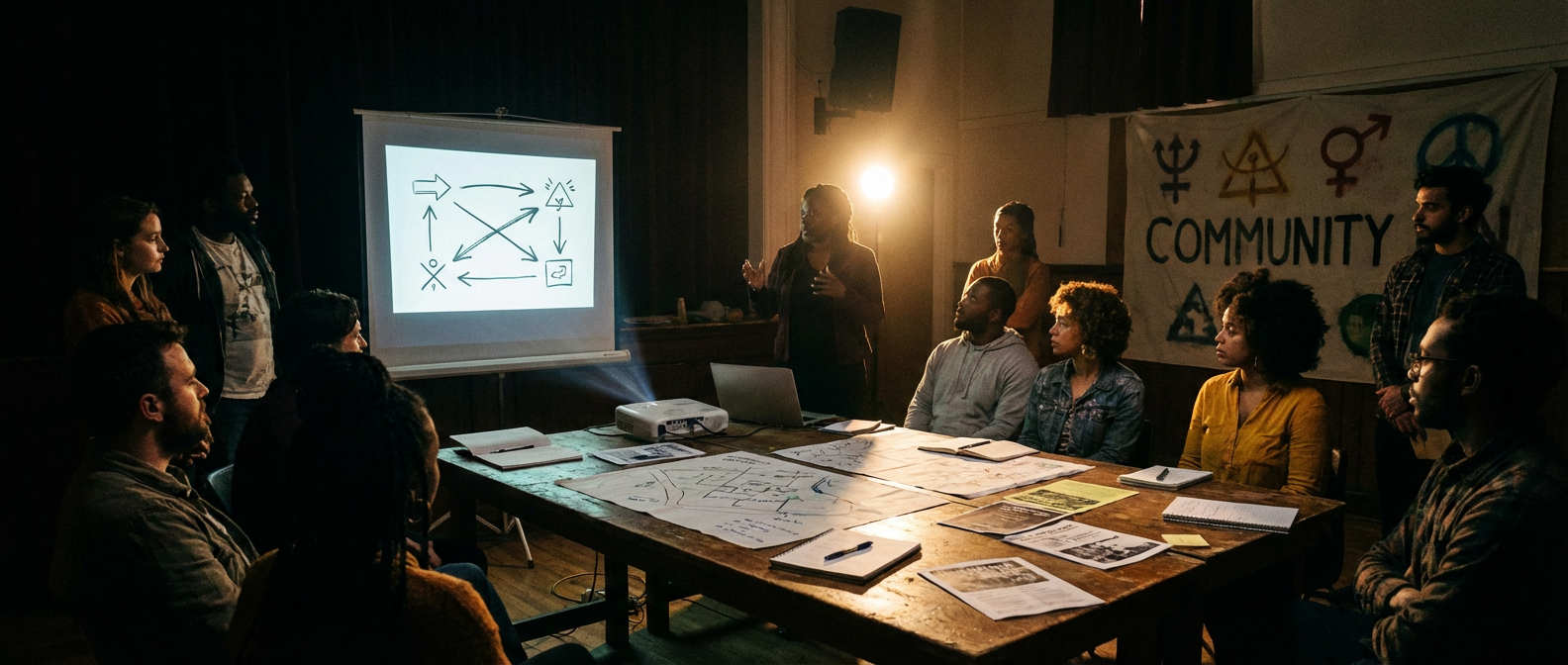
Last year, when our neighborhood group wanted to tackle the dangerous intersection at Pine and Fourth, we didn’t start by calling the mayor. We asked who had seen near-misses there, who knew someone at the school district, who had experience reading traffic studies. Turns out Maria from the coffee shop had been keeping an informal count of close calls. David three blocks over used to work for the county transportation department. Those connections became our foundation.
This resource mapping goes beyond people, too. Think about physical spaces where you can meet for free, local businesses that might donate supplies or sponsor events, and existing organizations whose goals overlap with yours even if they’re not working on your specific issue. The community garden association might not focus on traffic safety, but they know how to work with city planning departments.
The Power of Small, Concrete Asks
One of the biggest mistakes new organizers make is asking for too much too soon. People want to help, but they need to see that their contribution matters and that the task is manageable. Instead of asking someone to “join our movement,” ask them to do one specific thing that takes less than an hour.
When we were working on better lighting in Riverside Park, we didn’t ask people to attend every city council meeting for six months. We asked them to take one photo of a poorly lit area during their evening walk and text it to our shared number. We asked dog owners to note specific times when they felt unsafe. We asked parents to sign one letter, not launch their own letter-writing campaign.
These small asks did several things. They gave us concrete evidence to present to city officials. They helped people feel invested without overwhelming them. And they created natural opportunities for follow-up. The person who took a photo was much more likely to attend the meeting where we showed those photos to the parks department.
The key is making sure each small ask connects clearly to a larger goal. People need to understand how their fifteen minutes fits into the bigger picture, even if you’re not asking them to commit to that bigger picture yet.
Building Real Relationships, Not Just Email Lists
Email lists and social media followers feel like progress, but they’re not the same as having people who will actually show up when you need them. Real organizing happens in one-on-one conversations where you learn what motivates people and what constraints they’re working within.
I learned this lesson the hard way during our campaign to save the downtown library branch. We had 800 people on our email list and felt confident about our upcoming city council meeting. Twelve people showed up. Twelve. It was humbling and educational.
What we should have been doing was having coffee conversations. Not group meetings where one person talks and everyone else listens, but actual back-and-forth discussions. That’s where we would have learned that Sarah couldn’t attend evening meetings because of childcare, but she could make calls during her lunch break. Where we would have discovered that Tom’s main concern wasn’t actually the library closure, but the precedent it set for other budget cuts, which meant he’d be motivated to work on broader fiscal advocacy.
These conversations take time, but they create a core group of people who understand both the issue and each other. When you do need people to show up, call their representatives, or take on larger roles, you’re not sending mass emails into the void. You’re calling people you know, asking for help with something you’ve already discussed.
Timing Your Escalation
Effective grassroots organizing requires a sense of rhythm. You need to know when to apply pressure and when to step back, when to work within existing systems and when to create alternative approaches. This timing often determines whether your efforts create lasting change or just temporary noise.
Pay attention to decision-making cycles in your local government. City budgets get set on specific timelines. School board policies get reviewed at particular intervals. If you want to influence these decisions, you need to engage months before the final vote, not days. I keep a calendar of when our city council reviews different policy areas, when budget planning starts, and when public comment periods open for major developments.
But timing isn’t just about government schedules. It’s also about building momentum within your own group and the broader community. Sometimes you need to pull back and focus on relationship-building rather than pushing for immediate action. Other times, you need to move quickly while public attention is focused on your issue.
The intersection safety campaign I mentioned earlier worked partly because we understood this rhythm. We spent months gathering data and building relationships before requesting a formal traffic study. When that study confirmed our concerns, we were ready to immediately present solutions rather than starting from scratch. We had already identified three intersection improvements that fit within the city’s budget cycle, and we had people prepared to attend the meeting where funding decisions were made.
Learning From What Doesn’t Work
Not every tactic works across different issues or communities, and being honest about failures is as important as celebrating successes. Petition drives work brilliantly for some campaigns and accomplish nothing for others. Door-to-door canvassing might be perfect in walkable neighborhoods but pointless in areas where people don’t answer their doors.
Our library campaign taught me that social media outrage doesn’t necessarily translate to sustained engagement. We got thousands of shares on Facebook, but that didn’t create the ongoing pressure needed to influence budget decisions. On the other hand, our park lighting initiative barely registered online but worked because we focused on the smaller group of people who actually used the park regularly.
I’ve learned to test tactics on a small scale before committing significant time or resources. Try calling ten people before planning a phone bank. Hold one small house party before organizing a larger community forum. Pay attention to what energizes people in your specific community rather than assuming that what worked in other places will work for you.
The most important lesson is that grassroots organizing is fundamentally about matching your approach to your community’s particular culture and needs. What matters is not whether you’re using the latest organizing app or following someone else’s proven formula, but whether you’re creating genuine opportunities for people to have influence over decisions that affect their daily lives.
If you’re working on something in your own community, I’d love to hear what you’re learning. The best insights come from people doing this work in different contexts, and there’s always something useful in hearing how others have approached similar challenges.